
2026 Top Led Headlamp Dry Battery Types for Global Buyers
Choosing the right Led Headlamp Dry Battery begins with understanding use conditions, not marketing claims. Global buyers now compare alkaline, zinc-carbon, lithium primary, and rechargeable-compatible designs. Each option behaves differently in cold storage, humid warehouses, emergency kits, and outdoor work.
Recent market studies support this growing demand. Grand View Research’s headlamp market analysis reports continued expansion through 2030, driven by outdoor recreation, industrial safety, and household emergency use. MarketsandMarkets also identifies portable lighting as a growing category, especially where compact, reliable illumination matters. Battery-specific research from Fortune Business Insights shows steady demand for primary dry cells across consumer and industrial applications. However, published estimates differ. Definitions and regional coverage are not always consistent.
This guide examines the top battery types for 2026 purchasing decisions. It considers runtime, shelf life, leakage resistance, operating temperature, transport weight, and total cost. Practical testing matters. A headlamp used during a winter inspection may expose weaknesses hidden in a showroom trial. Lithium primary cells often perform better in cold conditions, while alkaline batteries remain widely available and cost-conscious. Zinc-carbon cells can suit low-drain tasks, but their shorter endurance may disappoint demanding users.
Look beyond brightness claims. Check battery chemistry, voltage stability, packaging quality, and compliance documentation. IEC 60086 standards provide a useful reference for primary battery performance and safety. Still, no single chemistry wins everywhere. That is the uncomfortable part. Regional supply, recycling systems, and actual user habits can change the best choice. Reliable sourcing requires both professional data and honest field experience.
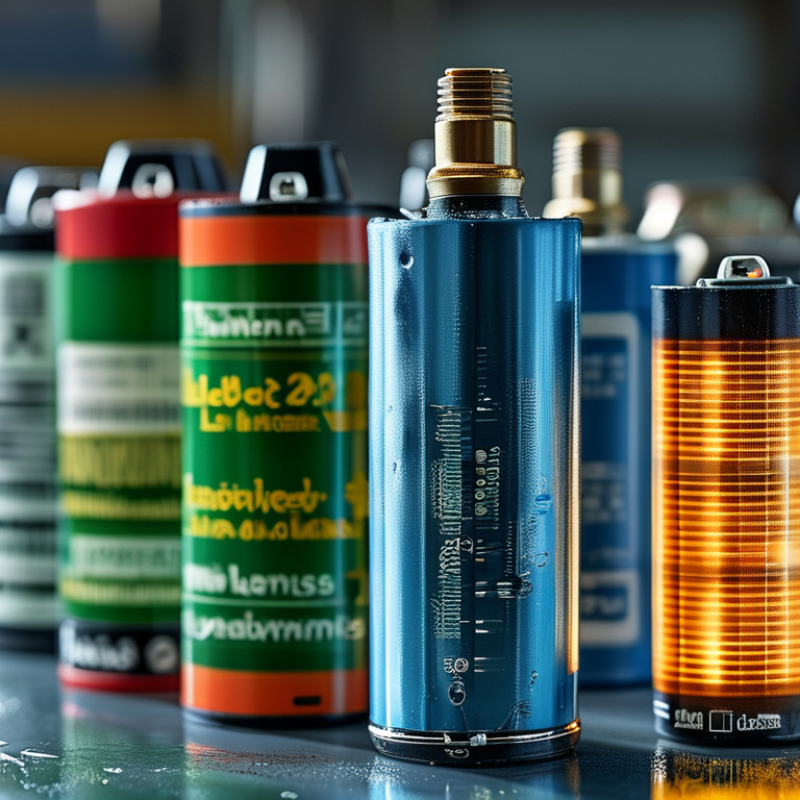
LED Headlamp Dry Battery Types Available to Global Buyers in 2026
In 2026, global buyers can choose from several LED headlamp dry battery types. Alkaline AA or AAA cells remain widely available and affordable. They suit household use, short hikes, and emergency storage. Their performance can decline quickly in cold weather or under high brightness.
Lithium primary batteries offer lower weight, longer shelf life, and stronger cold-weather performance. They are useful for mountaineering, field inspections, and extended travel. However, their higher purchase cost may not fit every buyer. Rechargeable nickel-metal hydride cells can reduce repeated waste and operating costs. They work well for frequent users, but they require a compatible charger and regular charging access.
Battery selection should match the headlamp’s voltage range, compartment size, and current demand. Check the technical label before ordering large quantities. Capacity ratings can vary between testing methods, so advertised runtime deserves careful comparison. In practical use, maximum brightness often drains batteries much faster than stated average modes. This detail is easy to overlook. Buyers should also consider local availability, storage temperature, transport conditions, and responsible disposal options. A mixed battery strategy may be sensible: lithium cells for cold expeditions, alkaline cells for occasional use, and rechargeable cells for routine work. Yet this approach adds management effort. Clear records and simple testing can prevent avoidable failures.
| Dry Battery Type | Nominal Voltage | Typical Headlamp Configuration | Approximate Energy Capacity | Typical Continuous Runtime* | Cold-Weather Performance | Storage Life | Key Advantages | Main Limitations | Recommended Global Applications | Purchasing and Compliance Notes |
|---|---|---|---|---|---|---|---|---|---|---|
| Alkaline AA | 1.5 V per cell | 2 or 3 cells; commonly used in medium-output LED headlamps | Approximately 3–4 Wh per cell, depending on load and test conditions | About 4–20 hours at low to medium output; high-output operation is shorter | Usable below 0°C, but voltage and available capacity decrease as temperature falls | Typically up to 5–10 years when stored correctly, subject to manufacturer specification | Widely available Low purchase cost Easy replacement | Heavier than lithium primary cells; may leak if left discharged or stored at high temperature | General outdoor use, camping, household emergency lighting and recreational activities | Check leakage resistance, shelf-life marking, transport packaging and local waste-battery requirements |
| Alkaline AAA | 1.5 V per cell | 2 or 3 cells; suitable for compact and lightweight LED headlamps | Approximately 1.2–1.8 Wh per cell, depending on discharge rate | About 3–15 hours at low to medium output | Performance declines in cold conditions; best suited to moderate-power operation | Typically up to 5–10 years when stored correctly, subject to manufacturer specification | Lightweight Globally common Compact design | Lower capacity and shorter high-output runtime than AA-powered designs | Travel, running, walking, reading, children’s outdoor activities and emergency kits | Confirm battery polarity protection and advise users not to mix old and new cells |
| Lithium Primary AA | 1.5 V per cell | 2 or 3 cells; commonly selected for high-output or cold-weather headlamps | Approximately 4–5 Wh per cell, depending on cell construction and discharge conditions | About 5–25 hours at low to medium output; varies significantly with LED power | Strong low-temperature performance, commonly suitable for sub-zero outdoor conditions | Often up to 10–20 years when stored correctly, subject to manufacturer specification | Low weight Long shelf life Good cold-weather output | Higher purchase cost; must not be confused with rechargeable lithium-ion cells | Winter sports, mountaineering, remote travel, professional field work and emergency equipment | Use only cells approved for the headlamp; follow air-transport and lithium-battery labeling rules |
| Lithium Primary AAA | 1.5 V per cell | 2 or 3 cells; used where low weight and compact size are priorities | Approximately 1.5–2.5 Wh per cell, depending on design and discharge rate | About 4–18 hours at low to medium output | Generally better cold-weather performance than alkaline AAA cells | Often up to 10–20 years when stored correctly, subject to manufacturer specification | Very lightweight Low self-discharge Cold resistant | Higher cost and less universal availability in some retail markets | Fast hiking, alpine travel, aviation emergency kits and lightweight expedition equipment | Verify the battery chemistry on the package and avoid mixing with alkaline or rechargeable cells |
| Rechargeable NiMH AA | 1.2 V per cell | 2 or 3 cells; suitable for frequent-use headlamps with compatible electronics | Approximately 2.4–3.0 Wh per cell for common 2,000–2,500 mAh cells | About 3–18 hours per charge, depending on capacity and output level | Works in cool conditions, but capacity decreases at low temperatures | Usually several hundred charge cycles; capacity gradually declines with use | Lower long-term waste Reusable Good for regular use | Requires a suitable charger; lower nominal voltage may reduce brightness in some headlamps | Daily work, maintenance, security patrols, workshops and frequent camping | Confirm charger compatibility, charging temperature range, cell capacity and over-discharge protection |
| Rechargeable NiMH AAA | 1.2 V per cell | 2 or 3 cells; designed for compact headlamps used repeatedly | Approximately 0.9–1.2 Wh per cell for common 750–1,000 mAh cells | About 2–12 hours per charge, depending on output and battery capacity | Usable in cool conditions, with reduced runtime at low temperatures | Usually several hundred charge cycles; performance depends on charging and storage practices | Compact Reusable Suitable for frequent operation | Shorter runtime than AA versions; requires compatible charging equipment | Running, indoor maintenance, inspection work, reading and routine household use | Use matched cells, avoid mixing capacities and follow the charger’s safety instructions |
| Zinc-Carbon AA or AAA | 1.5 V per cell | Usually 2 cells in basic, low-output LED headlamps | Lower effective capacity than alkaline cells, especially under high current demand | About 1–8 hours at low output; high-output runtime can be limited | Performance decreases noticeably in cold or high-drain conditions | Commonly shorter than alkaline storage life; follow the printed expiry date | Low initial cost Available in price-sensitive markets | Lower capacity, greater voltage drop under load and higher risk of leakage if poorly stored | Basic household lighting, short-term use and low-cost emergency products | Best reserved for low-power designs; check leakage protection and avoid long-term storage inside the lamp |
| 9 V Alkaline Battery | 9 V nominal | Specialized headlamps only; less common than AA or AAA configurations | Approximately 4–6 Wh, depending on load and battery construction | About 2–12 hours, depending on LED current and circuit efficiency | Usable in cool conditions, but output and capacity decrease at low temperatures | Typically up to 5–7 years when stored correctly, subject to manufacturer specification | High terminal voltage Compact battery shape | Less common worldwide; generally less efficient for modern high-output headlamp designs | Special-purpose lighting, legacy equipment and selected industrial applications | Confirm connector design, battery compartment safety and availability in the destination market |
*Runtime figures are indicative ranges for LED headlamps and vary with LED output, driver efficiency, battery age, ambient temperature, operating mode and battery quality. Always verify performance using the specific headlamp and battery combination.